
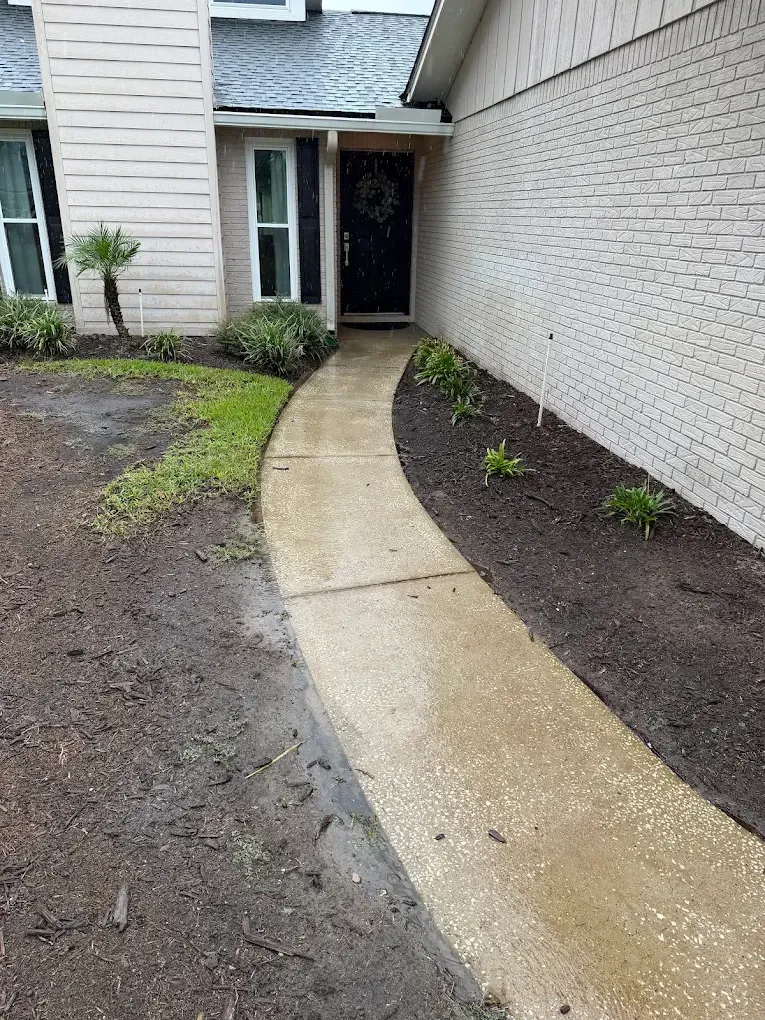
Surfaces Protected from Salt and Sun
Paver Sealing in Jacksonville for installations exposed to UV damage, moisture intrusion, and color fading
Salt spray, high humidity, and intense UV exposure in Northeast Florida break down paver surfaces faster than in inland climates, causing color loss and water intrusion that weakens joint sand and encourages weed growth. Sealing prevents this deterioration by creating a barrier that repels moisture and blocks UV rays from bleaching pigment out of the paver face. Affordable Exterior Cleaning applies penetrating sealant post-cleaning to protect grout joints and paver surfaces across Jacksonville residential and commercial properties, which means installations stay vibrant and structurally stable between maintenance cycles.
Application begins with surface preparation that removes all residue from prior cleaning, followed by even sealant coverage using equipment calibrated to avoid pooling or streaking. Penetrating sealant soaks into the paver face and joint sand rather than sitting on top, so surfaces don't become slippery when wet. The crew follows a written checklist to confirm consistent coverage across the full installation, and the service completes the restoration sequence that starts with cleaning and sanding.
Request a sealing consultation to review which sealant type suits your paver material and exposure level..
What Sealant Application Actually Accomplishes
Sealing follows cleaning and joint refilling, because sealant only bonds to clean, dry surfaces and works best when applied to stable joints. The penetrating formula enters pores in the paver face and hardens joint sand without creating a surface film, which means water beads off instead of soaking in and UV rays reflect rather than penetrating to fade color. This protection matters in Jacksonville because one summer of unprotected exposure can visibly age pavers that took years to weather previously.
After sealing, you'll notice water no longer darkens pavers when it rains, and color stays consistent even in high-sun areas that used to fade quickly. Joint sand hardens enough to resist weed roots and erosion, and surfaces clean more easily because stains don't penetrate as deeply. The sealant layer doesn't eliminate maintenance but extends the interval between deep cleanings and reduces how aggressively you need to treat future buildup.
The service includes surface preparation, even application, and inspection to confirm full coverage without missed spots or pooling. Sealant typically lasts two to three years depending on traffic and sun exposure, after which reapplication restores protection. The crew notes high-wear areas during application so you know where breakdown may appear first and can plan resealing accordingly..
Questions Before Sealing Your Pavers
Clients across Northeast Florida often ask about sealant durability and whether application changes how pavers look or feel underfoot..
What does penetrating sealant do differently than surface coatings?
Penetrating sealant soaks into the paver and joint sand to harden from within, while surface coatings sit on top and can peel or trap moisture underneath. Penetrating formulas preserve natural texture and avoid creating slippery surfaces when wet, which matters for pool decks and walkways.
How long does sealant last in Jacksonville's climate?
Most penetrating sealants protect for two to three years before UV exposure and foot traffic wear through the barrier. High-traffic areas like driveways may need resealing sooner than low-traffic patios, and sealing after cleaning maximizes initial bond strength.
Will sealing change the color of my pavers?
Sealant typically deepens color slightly by bringing out natural pigment, similar to how water darkens pavers temporarily. The effect is permanent with sealant, and you'll see a richer tone that resists fading better than unsealed surfaces exposed to direct sun.
Can pavers be sealed immediately after cleaning?
Surfaces must dry completely before sealing, which usually takes one to three days depending on humidity and shade coverage. Applying sealant to damp pavers traps moisture and prevents proper penetration, so timing the sequence correctly ensures full protection.
Does sealing prevent all weed growth in joints?
Sealant hardens joint sand enough to resist most weed roots, but it doesn't eliminate growth entirely. Sealed joints see significantly less weed intrusion than unsealed ones, and any weeds that do appear pull more easily because roots can't anchor as deeply.
Affordable Exterior Cleaning completes full paver care programs that include cleaning, sanding, and sealing in sequence for installations needing comprehensive restoration. Contact the crew to schedule a property walkthrough and discuss which steps your pavers require based on current condition.